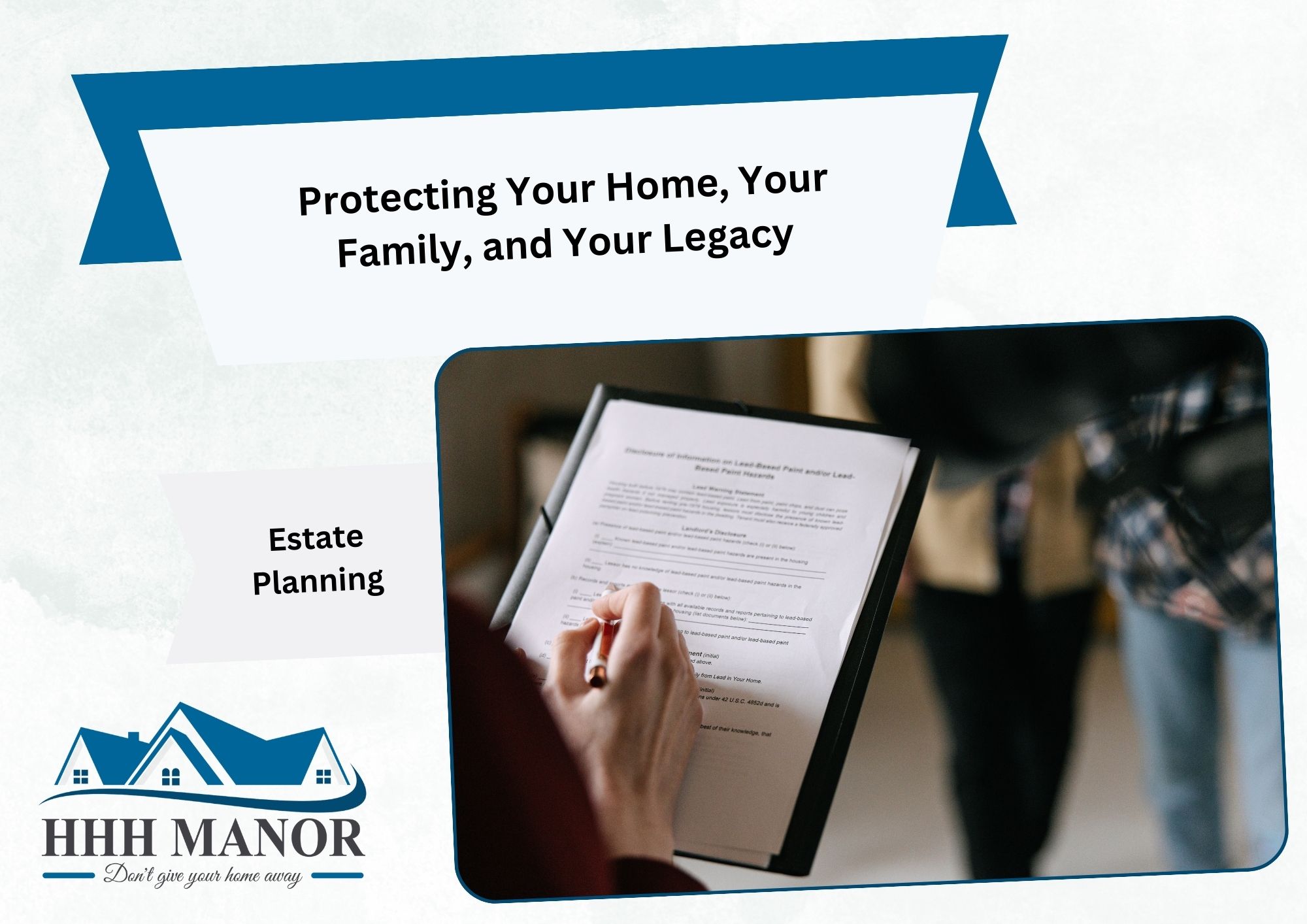
Estate planning is often misunderstood as something only the wealthy need. In reality, it is one of the most important steps any homeowner can take—especially in Florida, where real estate is often a family’s most valuable asset. Without a proper estate plan, properties can become tied up in probate, exposed to liens, or even lost to foreclosure.
Whether you own a primary residence, rental property, or inherited real estate, estate planning helps ensure your wishes are honored and your family is protected.
What Is Estate Planning?
Estate planning is the process of organizing how your assets—including real estate—will be managed during your lifetime and distributed after your passing. A strong estate plan typically includes:
- A will
- Trusts (if appropriate)
- Powers of attorney
- Healthcare directives
- Clear instructions for real estate ownership and debt
Without these documents in place, the state decides what happens to your property—often through a lengthy and costly probate process.
Why Estate Planning Matters for Real Estate
Real estate complications are one of the most common sources of probate delays and family disputes. Estate planning helps:
Avoid Probate Delays
Probate can take months—or even years—before heirs can sell or refinance property. Planning ahead may allow assets to transfer without court involvement.
Protect Against Liens and Debt
Liens, unpaid taxes, HOA fees, and mortgages don’t disappear when someone passes away. Estate planning allows you to address these obligations proactively.
Prevent Forced Sales or Foreclosure
Heirs who inherit property without clear instructions may struggle to keep up with payments or legal requirements, leading to foreclosure or court-ordered sales.
Preserve Family Harmony
Clear plans reduce confusion, disagreements, and legal battles among heirs.
Common Estate Planning Mistakes Homeowners Make
- Assuming a will avoids probate
- Adding children to a deed without legal advice
- Ignoring outstanding liens or debts
- Naming an executor who does not qualify under state law
- Failing to update documents after major life changes
These mistakes can unintentionally create legal and financial problems for loved ones.
Estate Planning and Inherited Property
If you’ve inherited a home—or expect to—estate planning plays a critical role in deciding whether the property will be sold, retained, or rented. It also determines:
- Who has authority to act on behalf of the estate
- How quickly a property can be sold
- Whether liens must be resolved before transfer
- How proceeds are distributed
Proper planning ensures inherited real estate remains an asset—not a burden.
The Bottom Line
Estate planning is not just about documents—it’s about protecting your home, your family, and your legacy. For homeowners, thoughtful planning can prevent probate delays, minimize lien-related issues, and reduce the risk of foreclosure after death.
At HHH Manor Real Estate, we specialize in properties affected by probate, foreclosures, and liens. Having a knowledgeable professional on your side ensures that complex real estate situations are handled with care, clarity, and confidence.